 Credit: Unsplash/CC0 Public Domain
edited by Sadie Harley, reviewed by Robert Egan
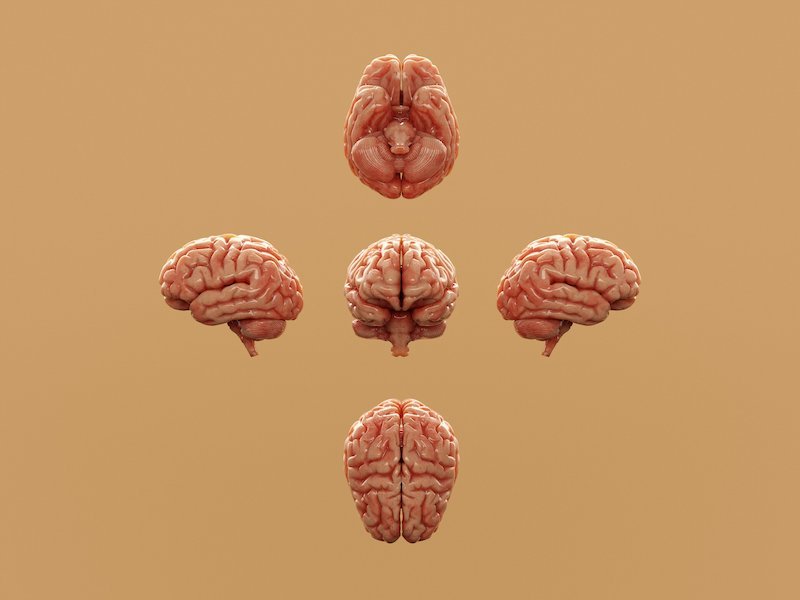
A paper in Molecular Biology and Evolution finds that the rate of autism-spectrum disorders in humans is likely due to how humans evolved in the past.
The paper is titled "A general principle of neuronal evolution reveals a human-accelerated neuron type potentially underlying the high prevalence of autism in humans."
About one in 31 (3.2 percent) children in the United States has been identified with autism spectrum disorder. Globally, the World Health Organization estimates that around one in 100 children have autism.
From an evolutionary perspective, many scientists believe that autism and schizophrenia may be unique to humans. It is very rare to find behaviors associated with the disorders in non-human primates. In addition, behaviors associated with those disorders generally involve cognitive traits like speech production and comprehension that are either unique to or much more sophisticated in humans.
With the development of single-cell RNA sequencing, it became possible to define specific cell types across the brain. As investigators published more large-scale datasets, it became clear that the mammalian brain contains a staggering array of neuronal cell types.
(more)

www.malaymail.com/news/world/2026/01/11/bomb-attac…

BANGKOK, Jan 11 — A series of late-night bomb attacks targeted 11 PTT petrol stations in Thailand’s southern border provinces of Narathiwat, Pattani and Yala…
www.khaama.com/at-least-eight-refugees-die-37-resc…

At least eight refugees died and 37 were rescued when their boat sank off Badmeli near Izmir, Turkish authorities said on Saturday.
katu.com/news/local/oregon-confirms-first-measles-…

Health officials in Oregon have confirmed the state's first measles cases of 2026, with two people diagnosed in Linn County.
abc11.com/post/measles-north-carolina-state-report…
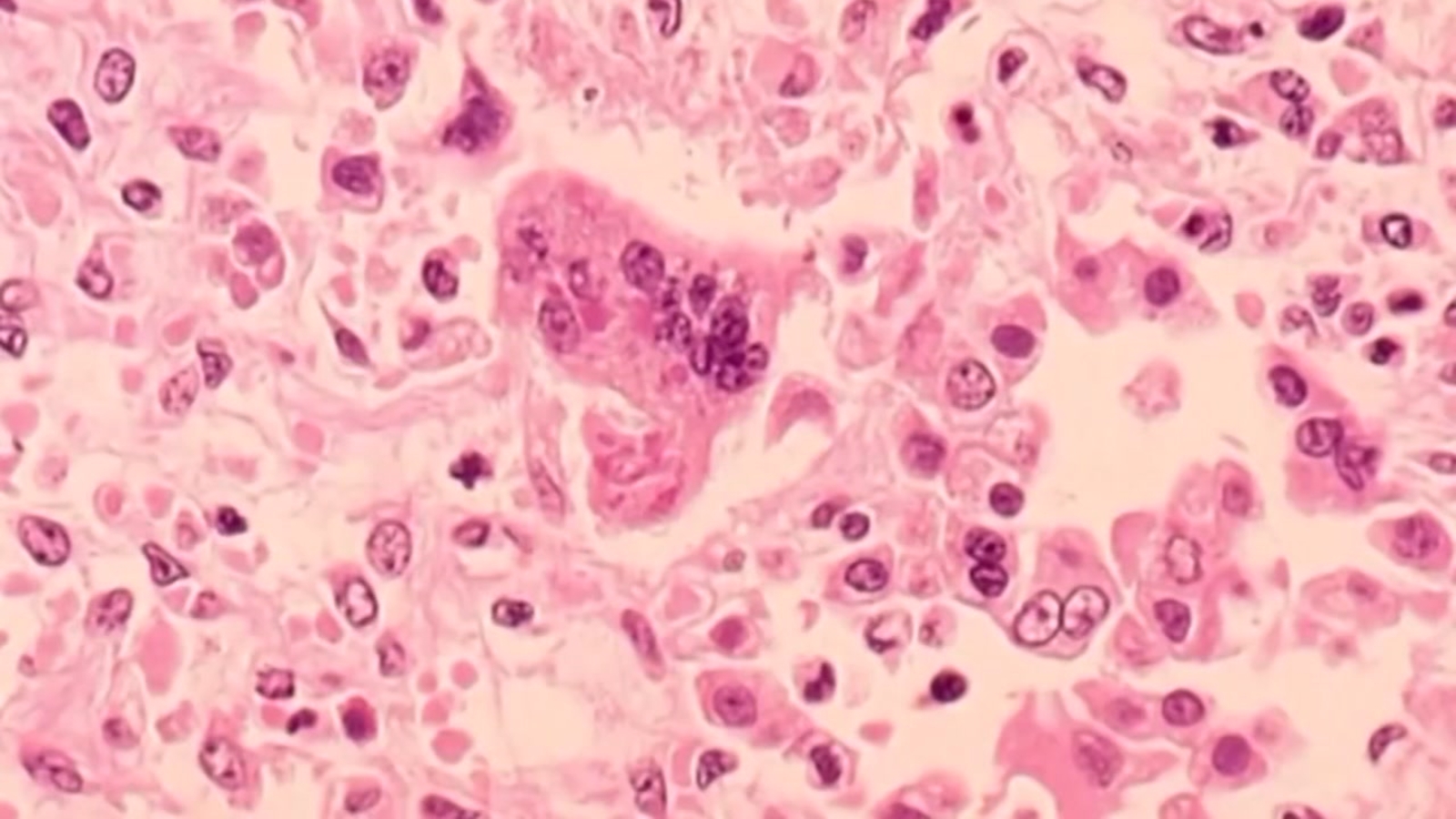
Measles in North Carolina: State reports 5th case linked to South Carolina surge